Available 24/7
24/7 Emergency Electrician for Urgent Electrical Problems
Call any hour and describe what you see, hear or smell. We'll get a licensed electrician who takes emergency calls out to make it safe.
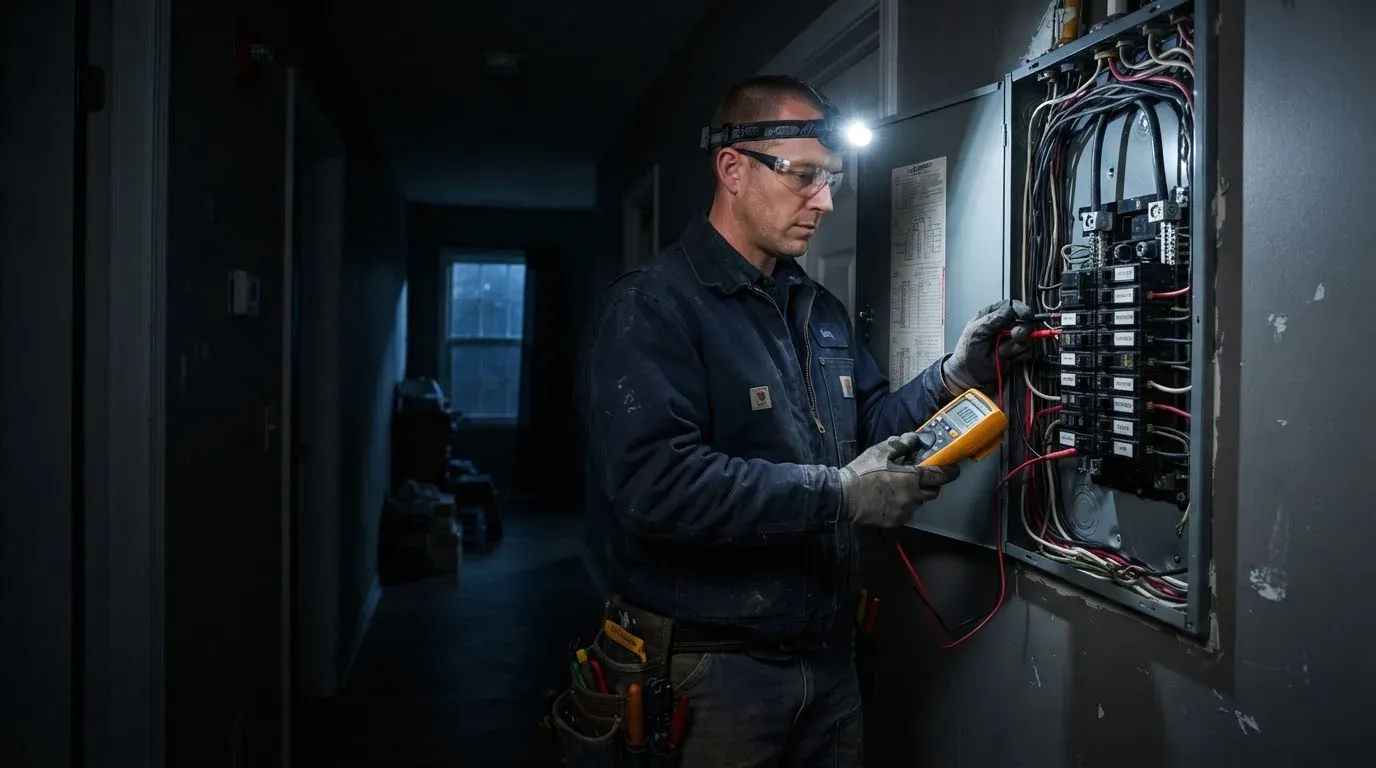
Start with a call
Tell us what's going on and where the job is. We'll get a licensed electrician out, and you'll know the price before the job begins.
Is this an electrical emergency?
It’s an emergency when there’s heat, smoke, sparking, a shock or water on live parts. Those are signs of a fault that’s active and can get worse fast. Call Hire Local Electrician any hour with what you’re seeing and the address, and we’ll get a licensed emergency electrician out to make it safe. A single dead outlet or a light that quit usually isn’t an emergency and can wait for a booked visit. Two common emergencies have their own guides: an outlet that is hot or sparking and half the house losing power.
The hard part is telling them apart in the moment. A warm outlet cover and a scorched one look alike in dim light, and a breaker tripping from a heavy load acts the same at the panel as one tripping from a short. What separates an inconvenience from an emergency is usually heat, arcing or current going somewhere it shouldn’t.
| What’s happening | What to do right now | How urgent |
|---|---|---|
| Burning smell, no visible source | Shut off that circuit, or the main if you can’t tell which | Call now |
| Sparks or a scorched outlet | Stop using it and switch off its breaker | Call now |
| A shock from an appliance or faucet | Don’t touch it again; switch off its circuit | Call now |
| Water on outlets or the panel | Stay off wet floors; shut off power only if you can reach it dry | Call now |
| Lights brightening and dimming across the house | Unplug computers and TVs | Call today |
| Breaker trips again the instant you reset it | Leave it off | Call today, or now if there’s heat or smell |
| One dead outlet or fixture | Nothing; it can wait | Book a visit |
For the in-between cases, our guide on whether it’s an electrical emergency or can wait goes into more detail.
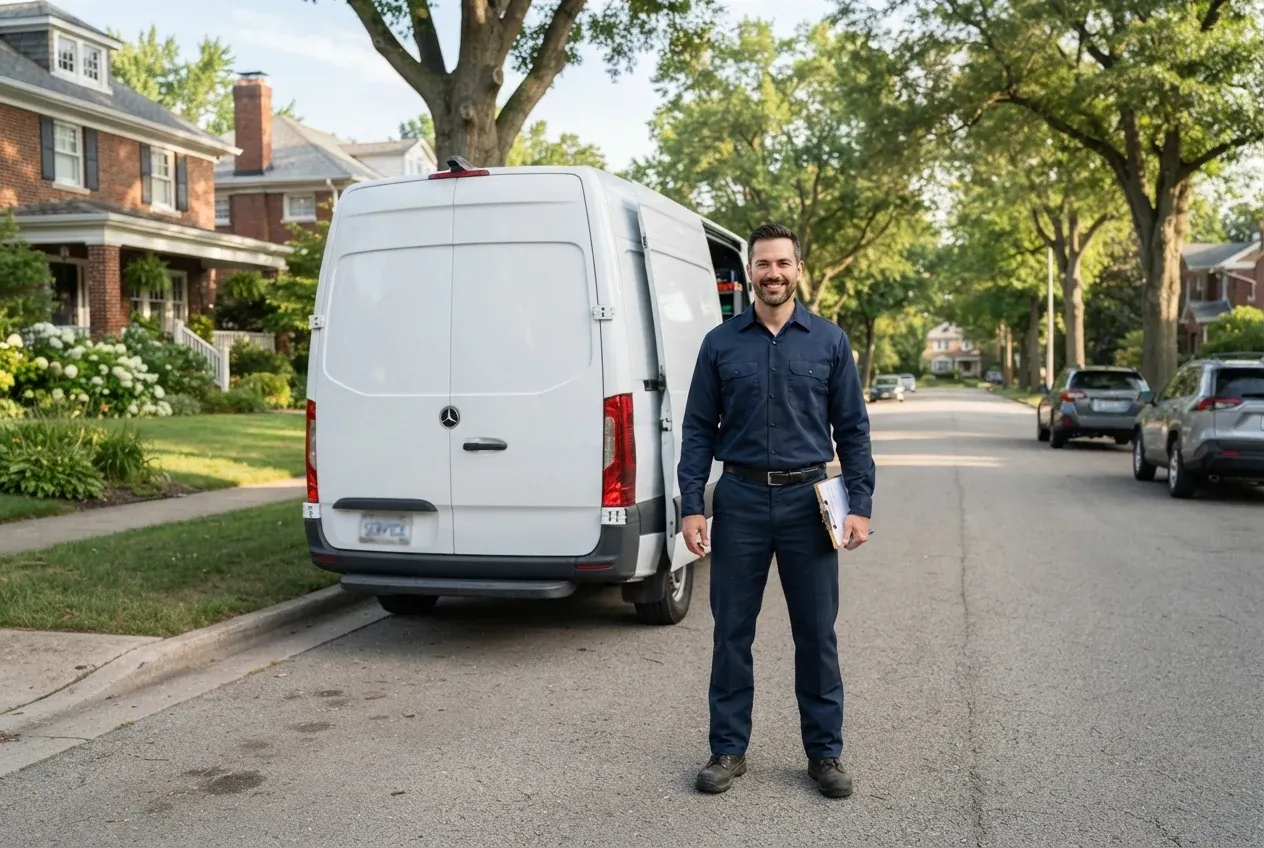
What should you do before the electrician arrives?
If you can do it safely, switch off the breaker feeding the problem. That one step takes the immediate danger away in most situations, and it may mean the repair can wait for a daytime visit.
Take any burning smell seriously. Insulation inside a wall can smolder for a long time before anything shows, and by the time you see it the situation is a lot worse. If you think something is actually on fire, get out first.

What happens after you call?
You tell us the address, what’s going on and when it started. We get a licensed emergency electrician out to you. The first work on site is isolating the hazard, and only then does the diagnosis start: often a burned connection, a failed breaker or a damaged cable, which turns into electrical repair once it’s found. A fault that won’t show itself becomes electrical troubleshooting, and a breaker that won’t hold is circuit breaker repair.
You’ll know the repair price before that work starts, and you only pay for work you agreed to.
Signs it's time to call
- A burning or fishy plastic smell near outlets, switches or the panel
- Sparks, scorch marks or smoke from anything electrical
- Buzzing, crackling or sizzling from the panel or a wall
- A shock, even a mild one, from an appliance, switch or faucet
- An outlet, switch plate or cord that's hot to the touch
- Water on outlets, the panel or wiring after a leak or flood
- Total power loss while the neighbors still have power
Common problems
What causes electrical emergencies?
Burning smell with no visible source
A fishy or sharp burning-plastic smell usually means insulation is overheating inside a wall, the panel or a fixture. The source often isn't where the smell is strongest. Shut off the circuit and call instead of hunting for it.
A breaker that trips the moment you reset it
A breaker that snaps off again right away is catching a fault it won't tolerate. Forcing it on removes the only protection on that circuit. The short or ground fault behind it needs finding.
Sparking or scorched outlets
A small spark when you unplug something can be normal. Sparks that keep going, arc, or leave black marks are not. Scorching means arcing has already made enough heat to damage the device.
Half the house dark
Losing power to part of the house while the utility supply is fine often points to a failed main lug, a loose neutral or a lost service leg. A lost neutral can push damaging voltage into electronics and needs fast attention.
A shock from an appliance or fixture
Any shock means current is traveling where it shouldn't, usually through a grounding fault. How hard it bit tells you little about how bad the fault is.
How the work usually goes
- Step 01
Tell us what's happening
Call and describe what you're seeing, smelling or hearing, and when it started. That tells us whether this needs someone tonight or a first-thing appointment.
- Step 02
We get an electrician on it
We get a licensed electrician who takes emergency calls in your area on the way, and tell you what happens next.
- Step 03
Make it safe while you wait
Shut off the breaker feeding the problem if you can reach it without touching anything wet or hot, and keep people and pets away from it.
- Step 04
The hazard gets isolated
First job on site is making it safe. Your electrician de-energizes the faulty circuit and checks nothing else is at risk.
- Step 05
Diagnosis and repair
Once it's safe, the fault gets found. You'll have a quote before the repair starts, and you'll know if any of it needs a permit.
Read this first
How do you stay safe until help arrives?
If you see smoke or flames, get everyone out and call 911 first. Electrical fires can burn inside a wall where you can't see them.
Never put water on an electrical fire. If you can reach the main breaker safely, shut it off.
Don't stand in water to reach a panel or outlet. If the floor is wet, stay out and wait.
Don't keep resetting a breaker that keeps tripping. It's protecting the circuit from a real fault.
Unplug what you safely can on the affected circuit to take the load off.
What affects the cost
Does an emergency call cost more?
Every job is priced on what the electrician finds on site, and you only pay for work you agreed to.
- Time of day, since nights, weekends and holidays usually cost more
- How quickly you need someone on site
- Whether the fault is obvious or takes testing to find
- Whether parts are needed outside normal supply-house hours
- Whether the repair stays contained or uncovers a bigger wiring problem
- Local permit rules if the repair involves the service or panel
Straight answers
Emergency Electrician questions
Can an electrician come out at night or on a weekend?
Yes. This line takes emergency calls at any hour, including nights, weekends and holidays. Tell us what's happening and the address, and we'll get a licensed electrician who handles emergency calls out to you.
Should I call the utility or an electrician?
If the problem is outside, like a downed line or damage to the wires running to your house, that's the utility's side; stay well clear of it. From the meter into the house is electrician work, and that's what to call us about. Not sure which side it's on? Call and describe it.
Can I shut off the breaker and wait until morning?
Often, yes. Switching off the circuit removes the hazard and lets you book a normal daytime visit. What you shouldn't do is leave a burning smell, scorch marks or a shock hazard live overnight because it seems to have stopped.
An outlet got wet. What should I do?
Don't touch it or anything plugged into it. If you can reach the breaker without standing in water, switch that circuit off. If you can't, stay out of the room and call. Outlets and panels that have been under water usually need replacing, not drying out.
Is a shock from a faucet or appliance an emergency?
Yes. Any shock means current is going somewhere it shouldn't, often through a broken ground or a damaged appliance. Stop using whatever shocked you, switch off its circuit if you can, and call. A mild tingle can come from the same fault as a dangerous one.
Available 24/7
Emergency electricians by state
Each guide covers what tends to go wrong in that state and who licenses electricians there. The number is the same everywhere, any hour.
- AlabamaAL
- ArizonaAZ
- ArkansasAR
- CaliforniaCA
- ColoradoCO
- ConnecticutCT
- DelawareDE
- District of ColumbiaDC
- FloridaFL
- GeorgiaGA
- HawaiiHI
- IdahoID
- IllinoisIL
- IndianaIN
- IowaIA
- KansasKS
- KentuckyKY
- LouisianaLA
- MaineME
- MarylandMD
- MassachusettsMA
- MichiganMI
- MinnesotaMN
- MississippiMS
- MissouriMO
- MontanaMT
- NebraskaNE
- NevadaNV
- New HampshireNH
- New JerseyNJ
- New MexicoNM
- New YorkNY
- North CarolinaNC
- OhioOH
- OklahomaOK
- OregonOR
- PennsylvaniaPA
- Rhode IslandRI
- South CarolinaSC
- TennesseeTN
- TexasTX
- UtahUT
- VirginiaVA
- WashingtonWA
- West VirginiaWV
- WisconsinWI
City guides
24/7 emergency electricians by city
- Houston, TX77001
- Los Angeles, CA90001
- Atlanta, GA30301
- Philadelphia, PA19102
- Chicago, IL60601
- Miami, FL33101
- Las Vegas, NV89101
- Phoenix, AZ85001
- Oklahoma City, OK73102
- Charlotte, NC28202
- Minneapolis, MN55401
- Denver, CO80202
- Louisville, KY40202
- Birmingham, AL35203
- New Orleans, LA70112
- Indianapolis, IN46201
- Seattle, WA98101
- Portland, OR97201
- Des Moines, IA50309
- Salt Lake City, UT84101
- Omaha, NE68102
- Charleston, WV25301
- Columbus, OH43201
- Nashville, TN37201
- Boston, MA02108
- Hartford, CT06103
- Milwaukee, WI53202
- Boise, ID83701
- Wichita, KS67202
- Little Rock, AR72201
- Saint Louis, MO63101
- Newark, NJ07102
- Virginia Beach, VA23451
- Albuquerque, NM87101
- Baltimore, MD21201
- New York, NY10001
- Providence, RI02903
- Charleston, SC29401
- Jackson, MS39201
- Manchester, NH03101
- Portland, ME04101
- Dover, DE19901
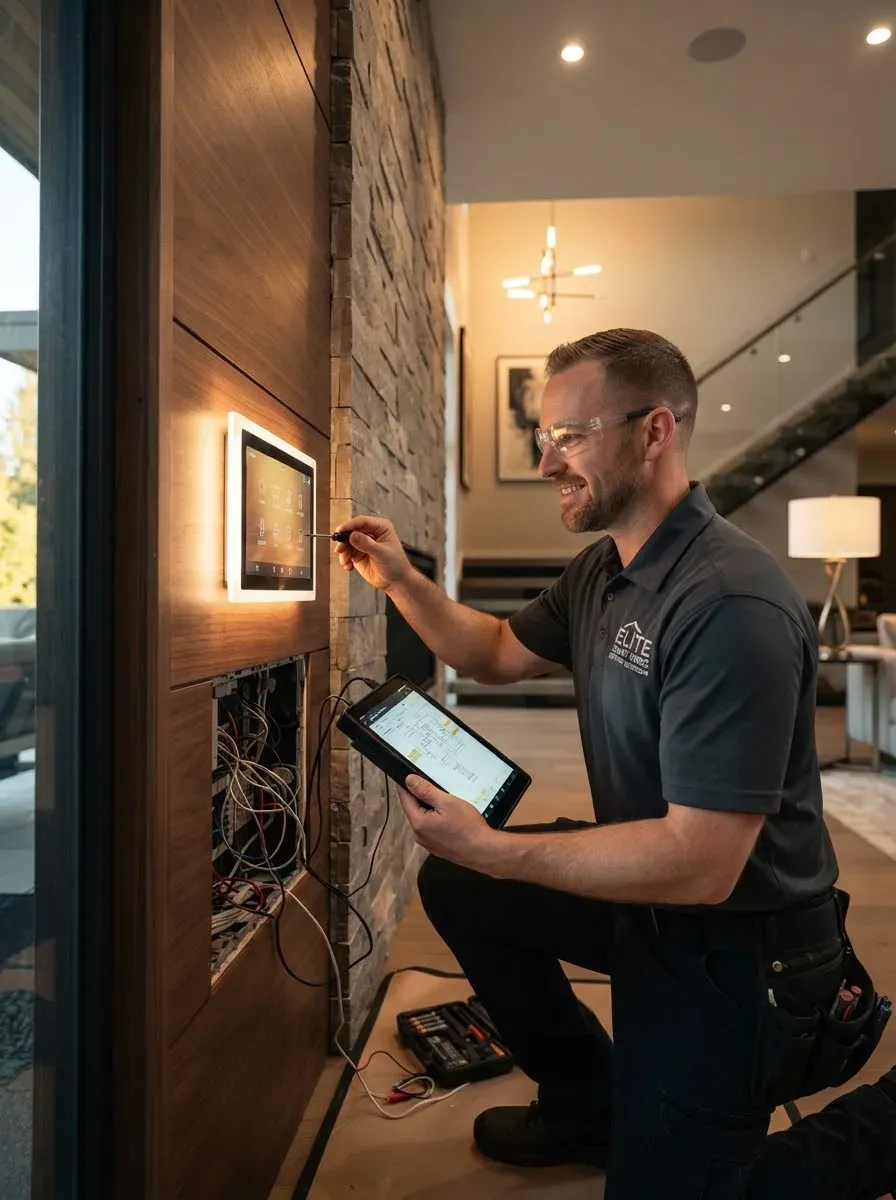
Before you dial
Heat, sparks or a shock right now?
Your ZIP code, what the power is doing, and whether anything smells hot, sparks or buzzes.
We'll get a licensed electrician out to you, and you only pay for work you agreed to.